Um espaço para partilha de ideias relacionadas com as práticas artísticas
e os seus efeitos terapêuticos, com destaque para a vertente musical

Mostrando postagens com marcador Music. Mostrar todas as postagens

domingo, 4 de outubro de 2015

Jamming With Your Toddler: How Music Trumps Reading For Childhood Development - part I

Forget the Mozart Effect and Baby Einstein, take it easy on acquisitions for your two-year-old’s private library, and don’t fret if your three-year-old hasn’t started violin lessons just yet.

The key to unlocking a child’s potential intelligence and happiness may indeed lie in music, but succumbing to the commercial juggernaut that is the baby-genius-making industry may not be in either your child or your wallet’s best interest. Instead, try making up songs with your toddler. 


A new study suggests that regular informal music-making with very young children may even have benefits above and beyond those of reading. But there’s an important, interesting, and somewhat beautiful catch – for best results, make it shared music-making in your home.

In an analysis of data generated from a study involving more than 3,000 children, a University of Queensland team investigated the associations between informal home music education for very young children and later cognitive and social-emotional outcomes.
The team found that informal music-making in the home from around the ages of two and three can lead to better literacy, numeracy, social skills, and attention and emotion regulation by the age of five.
By measuring the impact of music and reading both separately and in combined samples, the researchers were able to identify benefits from informal music activity over and above shared book reading, most strongly in relation to positive social behaviour, attention regulation and to a lesser but still significant extent, numeracy.

Part of an Australian Research Council funded study titled “Being and becoming musical: towards a cultural ecological model of early musical development”, the study aims to provide a comprehensive account of how Australian families use music in their parenting practices and make recommendations for policy and practice in childcare and early learning and development.

Last month, the team was awarded the inaugural Music Trust Award for Research into the Benefits of Music Education.

Science has shown that music’s effect on the brain is particularly strong, with studies demonstrating an improvement in IQ among students who receive music lessons. Advantages in the classroom have been identified for students who study musical instruments, and the effects of ageing on cognition may even be mitigated through lifelong musical activity.


Info from IFLScience

quarta-feira, 12 de agosto de 2015

How music acts as medicine for the soul

Henry, an elderly man living in a US nursing home and largely unresponsive to the outside world, receives a pair of headphones to listen to his favourite artist, Cab Calloway .

The neurologist Dr Oliver Sacks, who's involved with the project, describes Henry as "almost unalive", but as soon as the music starts there's a complete transformation. He starts moving and singing along, becoming animated. "The philosopher Kant once called music the 'quickening art' and Henry has been 'quickened' – he's been brought to life," Sacks says in the video.


But the effect doesn't stop once the music is turned off. Though he's normally unable to answer the simplest questions, Henry now starts speaking about his love for music, how it makes him feel, and singing I'll Be Home for Christmas, remembering every single word of the lyrics. It's almost magical.

There's a charity here in the UK that knows all about how music can transform the lives of those who suffer from autism, dementia, and a whole range of mental health problems. The work of the founders of Nordoff Robbins – Paul Nordoff, an American composer and pianist, and Clive Robbins, a special education teacher – began more than half a century ago, as they used music therapy to help isolated and disabled children. In 1980 the charity bearing their names was established in the UK.

Nordoff and Robbins discovered music's power to open up the senses and "reawaken" people with dementia doesn't only come from the familiarity of favourite songs. In a mesmerising video, one of the charity's music therapists starts communicating with a woman whose dementia has lead to the loss of speech, by doing a sort of singing and guitar-playing call-and-response. In another one, Jack, an autistic boy with severe learning difficulties, lights up and starts to communicate not only by singing, but with his whole body.


But music can also have a calming and healing effect on those with mental illnesses. Nordoff Robbins works with Lance, who lives with schizophrenia and says music therapy makes him "feel more human again" and is "a haven from intrusive bad thoughts and depression".

The charity provides music therapy at his local centre for people with mental health problems, where he plays guitar, often supporting other people's songs. "I feel that music is holding my hand through all this," he explains.

The therapists who go into schools, hospitals, care homes and prisons, help people communicate where words have failed, raising their confidence, self-esteem and sense of joy through music, one of the most powerful remedies that can't be bought from pharmaceutical companies. Music is medicine for the soul.

Info from The Guardian


quinta-feira, 23 de julho de 2015

“Play It Again, Sam”: How the Use of Music is Reawakening the Minds of Many Individuals Battling Dementia.


Written by Robert Maxwell, speech-Language pathologist

To say there has been a recent increase of videos on the web highlighting the power of music with individuals with dementia would be a vast understatement. From caregiver videos flooding YouTube to more carefully crafted films, such as Alive Inside, exploding on the scene, the individual stories being told are nothing short of remarkable.

But what does this mean for us as speech and language pathologists? And what does research say about the overwhelming number of anecdotal stories being touted on the internet? The answer to both questions is, A LOT! Many resources, such as the nonprofit organization MUSIC & MEMORY, now offer an extensive list of research citations that highlight the clinical benefits that listening to music can have on cognition and communication. It’s not just researchers taking notice of the mounting evidence. As the Centers for Medicare & Medicaid Services makes a push to decrease inappropriate use of antipsychotic drugs in long-term care settings, some of its efforts go toward funding personalized music programs to help address agitation and other behavioral concerns in a non-pharmacological way. Many states are also embracing this approach with great clinical outcomes to report.


So do we all switch professions and become music therapists? Of course not. The need for skilled speech therapists to directly target cognitive-linguistic deficits in long-term care settings is more important now than ever as the aging of our population and the dramatic rise in dementing illness converge, but the research and these dramatic personal stories should make us take pause and reconsider the environments in which we practice. As therapists we have a unique opportunity and perspective to be client advocates.

What information can we share, what videos can we show and whose life can we touch to be a catalyst for change in our communities? Consider your impact and take action today. Still need convincing? Let me leave you with one final image. Watch as Naomi Feil, founder of Validation Therapy, makes a power connection with Ms. Gladys Wilson. I wonder how many speech therapy screen forms were sitting in her medical chart stating she was “non-communicative” when this was filmed. 

Info from blog.ASHA

domingo, 21 de junho de 2015

The wild classical music ensemble

Today I had the opportunity to see The wild classical music ensemble performing at Cinquantenaire (Brussels, Belgium) on the occasion of the "Fête de la musique". So, I decided to present them to you.


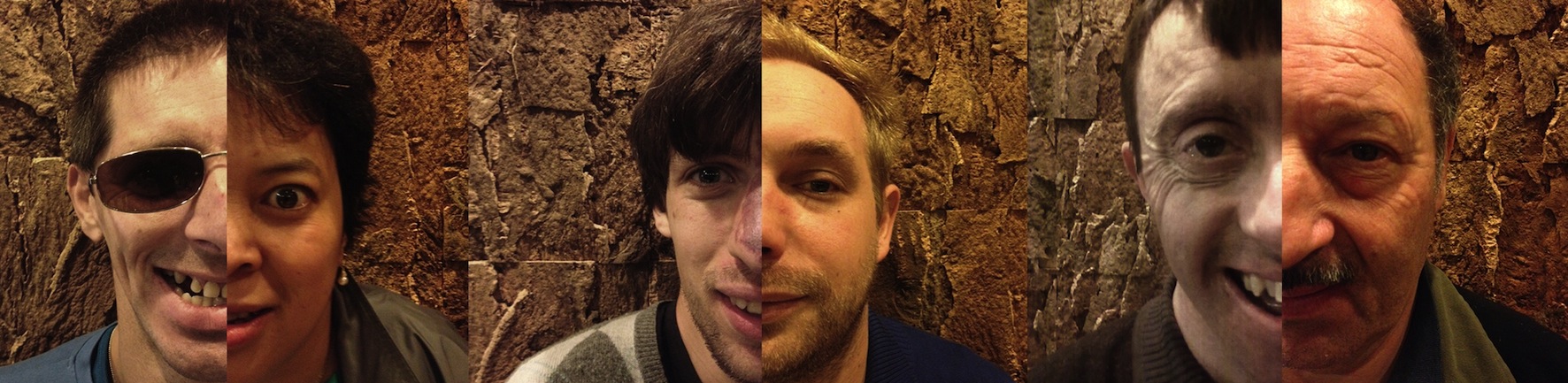
The wild classical music ensemble is a musical project launched by the association vzw.with in november 2007. Thanks to vzw.with, Damien Magnette, sound artist and drummer had the chance to meet Linh Pham, Johan Geenens, Rudy Callant and Kim verbeke, 4 artists with a mental disability. These 4 artists are working in different fine art media, but they also showed a will and talent to make music. 

Originally the band focused on free improvisation, sound and object experimentations tied together with orchestration signs and experimental music notations. Lately they have begun incorporating the punk/rock riffs from guitarist Kim Verbeke, broadening their sound into a free punk noise rock hybrid. After a several year trip in that formation, they welcomed Sebastien as a new member. He plays home made bass percussions and sings with great energy and inspiration. As a sextet, the band as developped a tighter, stronger energy and sound. 


The Wild Classical Music Ensemble is collaborating time to time with other orchestra. They've worked for instance with Spectra ensemble on a more contemporary music-oriented project. For this very special collaboration between classical musicians and self thaught musicians, the composer has devellopped a video-animated visual partitude.

The band gave concerts in Belgium, the Netherlands, France, Spain, Germany and Switzerland and is willing to go further!!

Their second album, "tapping is clapping" is released the 17th april 2015 on Born bad records, Humpty dympty, Aredje, Et mon cul c'est du tofa and Attila tralala.

More info Wild Classical

terça-feira, 12 de maio de 2015

Como a música pode melhorar a saúde

Usada como terapia, a música é capaz de melhorar a concentração, alterar o estado de espírito e ajudar a combater algumas doenças.

O Daily Mail reuniu alguns dos mais recentes estudos que comprovam o quão poderosa pode ser a música na saúde e na mente. Algumas melodias possuem efeitos mais notórios do que outros, mas a verdade é que a música é já usada como terapia no combate ou cura de determinadas doenças, especialmente psicológicas.

Em 2008, escreve a publicação, o Centro Médico da Universidade de Maryland, nos Estados Unidos, concluiu que a música, principalmente a clássica, consegue ajudar na redução da pressão sanguínea. Músicas agradáveis conseguem deixar o sangue mais fluído em 26%, enquanto sons relaxantes apenas o fazem em 11%.

Como a música pode melhorar a saúde

Mas se há músicas com efeitos benéficos, existem compositores capazes de autênticos milagres. Conta o Daily Mail que um estudo sueco de 2005 revelou que os pacientes operados a uma hérnia que ouviram música durante a cirurgia tiveram menos dores no pós-operatório. Mas Bach e Louis Armstrong conseguem resultados ainda mais notórios: uma investigação de 2011 indica que estes dois grandes nomes da música ajudam a que sejam dados menores doses de anestesia em determinadas cirurgias, incluindo a de colocação de próteses na anca.

Dois anos depois, um outro estudo relacionou a música com o combate à demência. Tese reforçada com uma investigação de 2013, que concluiu que os doentes com demência que ouviam música como forma de terapia tinham menos necessidade de tomar antidepressivos ou outro tipo de medicamentos.

O coração e a música são também dois bons aliados, como indica um estudo que revela que algumas canções “melhoram a variação dos batimentos cardíacos” e reduzem os riscos de ataque cardíaco. Além disso, um estudo da Western University, no Canadá, indica que a música é capaz de acelerar a recuperação de AVCs.

Há três anos, uma investigação publicada no Journal of Nursing Studies revela que as músicas relaxantes são a melhor forma de adormecer depressa e manter uma noite tranquila de sono.

Mas não é só ouvir música que faz bem. Conta o Daily Mail que cantar pode ajudar a combater a asma, uma vez que permite melhorar a respiração e aprender quais os limites de cada pessoa.

Fonte: Notícias ao minuto

segunda-feira, 13 de abril de 2015

Are musicians better language learners?

Today's economic environment demands that our children become the very best they can be. But not all methods, from flashcards to baby signing, actually boost a child's intelligence, language skills or other abilities for success. Music training is the only proven method to boost the full intellectual, linguistic and emotional capacity of a child. 

According to the studies, just one hour a week of learning music is enough for the full brain benefits to take place – including an all-round boost in language skills and a significant increase in IQ.

In Finland, the average person speaks three to five languages – after all, no one understands our obscure native tongue. But Finland's peculiar custom of early music training where even babies and toddlers learn core music skills through songs and games, may also influence the fluency of foreign-language speaking Finns. As music training boosts all the language-related networks in the brain, we would expect it to be beneficial in the acquisition of foreign languages, and this is what the studies have found.


When children start studying music before the age of seven, they develop bigger vocabularies, a better sense of grammar and a higher verbal IQ. These advantages benefit both the development of their mother tongue and the learning of foreign languages. During these crucial years, the brain is at its sensitive development phase, with 95% of the brain's growth occurring now. Music training started during this period also boosts the brain's ability to process subtle differences between sounds and assist in the pronunciation of languages – and this gift lasts for life, as it has been found that adults who had musical training in childhood still retain this ability to learn foreign languages quicker and more efficiently than adults who did not have early childhood music training.

Humans first started creating music 500,000 years ago, yet speech and language was only developed 200,000 years ago. Evolutionary evidence, as interpreted by leading researchers such as Robin Dunbar from Oxford University, indicates that speech as a form of communication has evolved from our original development and use of music. This explains why our music and language neural networks have significant overlap, and why children who learn music become better at learning the grammar, vocabulary and pronounciation of any language.


Read more in Liisa Henriksson-Macaulay's article @ The Guardian


terça-feira, 10 de fevereiro de 2015

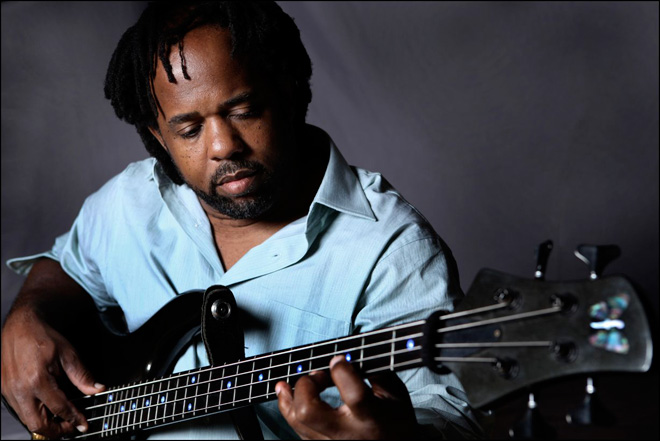
Music as a language - Victor Wooten

Music is a powerful communication tool - it causes us to laugh, cry, think and question. Bassist and five-time Grammy winner, Victor Wooten, asks us to approach music the same way we learn verbal language - by embracing mistakes and playing as often as possible.


Info from TEDed Lessons worth sharing
NOTE that this video has subtitles available in portuguese!

sexta-feira, 30 de janeiro de 2015

12 Amazing things scientists discovered about MUSIC - part I

In 2014, scientists looked closer than ever before at why exactly music makes us feel so powerfully. And they found some amazing and unprecedented things.

Studies revealed that music can shape our personalities and behaviors. It can help us choose our sexual partners. And it can be used to cure certain ailments. The deeper researchers dig, the more we realize how powerful of a force it truly is. 

And these findings could not have come at a more perfect moment in time: School systems continue to slash arts and music budgets around the country and the war over how much we pay for music is fundamentally a question of how much we value music. In this crucial year, scientists delivered infallible reminders of what any music lover already knew: Music is more than just entertainment. 

Here are 12 amazing things we discovered about MUSIC this year:

1. Learning an instrument at a young age can provide improved executive function.

Researchers at Boston Children's Hospital found that early musical training helps children improve their executive functions. Executive functions are incredibly important; they enable people to retain information, regulate behavior and solve problems more effectively. 

Children that started playing music at age 6 showed enhanced activation in the prefrontal cortex, the part of the brain that owns executive functions. And they performed far better than control groups on tests requiring them to shift between mental demands. Executive functioning is also a "strong predictor of academic achievement, even more than IQ," said study senior investigator Nadine Gaab. "Our findings suggest that musical training may actually help to set up children for a better academic future."


2. Rhythmic ability has been linked to language learning.

One of the first skills that children need to acquire when learning to read and speak is how to pick up on the rhythms of speech. They gain this ability to detect rhythms and define boundaries between words and syllables long before they can actually speak. So having a good sense of rhythm is very important to learning language. This year, we discovered just how important it really is.

Developmental psychologists at Northwestern University found that testing children for this rhythmic ability is a good way to detect potential language-based disabilities that may hit children later in life. Those that can hold an even drum beat score also higher on early language tests. The study's authors suggest that parents and educators use rhythmic tests to try to identify and address any possible linguistic deficiencies while children's brains are still young and malleable.


3. Music training can help close the achievement gap.

Nina Kraus, a Northwestern researcher also involved with the previous study, found that music can be vital in helping schools close the achievement gap — the massive inequality in academic performance between students from different socioeconomic backgrounds.

Kraus studied the neural activity of kids beginning their music education while working with the Harmony Project, a nonprofit after-school program that teaches music to children in low-income communities in Los Angeles. Using EEGs, Kraus found that brainwaves of disadvantaged children were "noisier, weaker and more variable" in responding to verbal stimuli than children from more privileged backgrounds. 

But after two years of musical training, she discovered something very different. She found that students with musical training had gotten much better at making clear neural responses to consonants and vowels. This faster processing power will likely have huge benefits for these children's language acquisition and concentration. Music might be one of most effective ways to help give children from disadvantaged backgrounds the cognitive tools they need to escape poverty.


4. It can combat ADHD.

Three scientists from the University of Graz uncovered a startling pattern in a recent longitudinal study investigating what musical learning does to a brain's plasticity. It turns out that kids who learn music boasted significantly thicker grey matter in brain areas linked to attention and concentration. The kids also demonstrated enhanced right-left hemispheric synchronization, which led to high scores on attentional, linguistic and literacy tests. 

In short, musical training builds the same brain structures that are markedly deficient in neural scans of children suffering from ADHD. The scientists hypothesized that early music training can be major benefit to helping children reduce the negative impacts associated with ADHD.

Info from Music.Mic

domingo, 28 de dezembro de 2014

Charles Limb: Your brain on musical improvisation


Musician and researcher Charles Limb wondered how the brain works during musical improvisation — so he put jazz musicians and rappers in an fMRI to find out. What he and his team found has deep implications for our understanding of creativity of all kinds.


Info from TED

segunda-feira, 13 de outubro de 2014

How playing an INSTRUMENT benefits your BRAIN

When you listen to music, multiple areas of your brain become engaged and active. But when you actually play an instrument, that activity becomes more like a full-body brain workout. 


What’s going on? Anita Collins explains the fireworks that go off in musicians’ brains when they play, and examines some of the long-term positive effects of this mental workout.


quinta-feira, 9 de outubro de 2014

Music has the power to heal

There is an old belief, now being revisited, that music has the power to heal. Where does this idea come from, and how does it apply to traditional Chinese music?
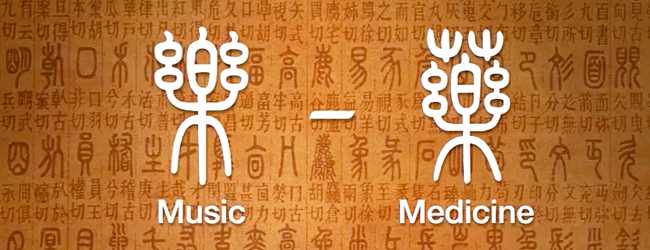
"Our ancestors believed that music had the power to harmonize a person’s soul in ways that medicine could not. In ancient China, one of music’s earliest purposes was for healing. The Chinese word, or character, for medicine actually comes from the character for music.
During the time of the Great Yellow Emperor (2698-2598 B.C.E.), people discovered the relationship between the pentatonic scale, the five elements, and the health five internal and five sensory organs. During Confucius time, scholars used music’s calming properties to improve strengthen people’s character and conduct. 
Today, scientific research has also validated music’s therapeutic ability to lower blood pressure, reduce anxiety, enhance concentration, stabilize heart rate, and more."
 Gao Yuan 


You can find the whole interview with Shen Yun Symphony Orchestra Composer Gao Yuan here

quarta-feira, 1 de outubro de 2014

Lullabies reduce pain in children, say academics

A study at Great Ormond Street Hospital suggests lullabies do more than just help babies sleep – they reduce pain in sick children

Parents should sing to their children when they hurt themselves as lullabies help to reduce their pain, a study has found. 

Singing Twinkle Twinkle Little Star, Hushabye Baby and Five Little Ducks to sick children was found to alleviate their suffering by researchers at London’s Great Ormond Street Hospital. 

They sang the songs to a group of children under three, some of whom were waiting for heart transplants, and monitored their heart rates and pain perception. 

The scientists then compared this with two other groups, one in which the children had been read to and the other where they had been left alone, and found only those who had been sung to showed a reduction in pain or heart rate.


Professor David Hargreaves of Roehampton University, one of the study’s authors, said the results went further than many parents' intuitive sense that singing lullabies calms children.

"It shows that children can be affected physiologically by music," he said.

He underlined that the research was still in the early stages, but added: "The practical applications are fairly obvious. Music therapists are going to be a lot cheaper than drugs to numb pain."

Professor Tim Griffiths, a consultant neurologist with the Wellcome Trust, told BBC Radio 4's Today programme: “There’s an ancient part of the brain in the limbic system which is responsible for the emotional responses to music.

"What I think is happening here is that the emotional part of the brain is being stimulated by music, more so than the reading stimulus," he said of the study at the London children’s hospital.

“This is decreasing the arousal level, and that in turn is affecting their pain response levels.”

The songs researchers used to reduce pain:
  • Hush Little Baby
  • Hushabye Baby
  • See Saw Margery Daw
  • Donkey Riding
  • Little Fish
  • Twinkle Twinkle
  • Five Little Ducks

quinta-feira, 25 de setembro de 2014

This is your brain in your favorite song

Illustration by Mark Alan Stamaty.
Illustration by Mark Alan Stamaty

When people listen to music they enjoy, their brains drift into a resting daydream, regardless of the genre.

Some prefer the twangs of the steel guitar in country, others the soaring arias of opera. Yet despite individual preferences, people’s favorite tunes generate strikingly similar brain activity patterns and can even enhance their creative ability, according to new research.

We already know that emotional connections to music can be strong, but exactly how favorite melodies influence brain patterns is an ongoing area of discovery.

The researchers scanned the brains of 21 young adults using an MRI machine while piping in music recordings. Each person listened to a genre they liked, one they disliked and their favorite song. 
By separating out the patterns that were related to the music’s beat or lyrics, the researchers found the underlying changes in brain activity related to enjoying a favorite song.
A person's preferred music enhances connections between different regions of the brain, a pattern called the default mode network (DMN), the researchers report. This network is associated with introspection, self-awareness, mind-wandering and possibly imagination. 
When the DMN is activated, another network, the task-positive network (TPN)—which is involved in goal-oriented activity—is shut down. The two states can be thought of as focus on the outside world (the TPN) and focus on inner thoughts (the DMN). Earlier this month, another research group figured out how to switch between these two modes in mice. 
Certain brain disorders seem to involve trouble with activating one mode or another or with switching between the two. For example, since people with autism seem to have problems with DMN activity, the new study’s authors suggest that music therapy may help.
More work needs to be done to investigate the connection between music and mental states before we know if music can help people with autism, but for now, know that the frisson of happy feelings you get when you listen to your favorite song has basis in biology.
Info from: Smithsonian.com

segunda-feira, 18 de agosto de 2014

How Repetition Enchants the Brain and the Psychology of Why We Love It in Music

“Music takes place in time, but repetition beguilingly makes it knowable in the way of something outside of time.”

“The repetition itself becomes the important thing; it’s a form of mesmerism,” Haruki Murakami reflected on the power of a daily routine.“Rhythm is one of the most powerful of pleasures, and when we feel a pleasurable rhythm we hope it will continue,” Mary Oliver about the secret of great poetry, adding: “When it does, it grows sweeter.” But nowhere does rhythmic repetition mesmerize us more powerfully than in music, with its singular way of enchanting the brain.


How and why this happens is precisely what cognitive scientist Elizabeth Hellmuth Margulis, director of the Music Cognition Lab at the University of Arkansas, explores in On Repeat: How Music Plays the Mind(public library). This illuminating short animation from TED Ed, based on Margulis’s work, explains the psychology of the “mere exposure effect,” which makes things grow sweeter simply as they become familiar — a parallel manifestation of the same psychological phenomenon that causes us to rate familiar statements as more likely to be true than unfamiliar ones.

Margulis writes:
"Music takes place in time, but repetition beguilingly makes it knowable in the way of something outside of time. It enables us to “look” at a passage as a whole, even while it’s progressing moment by moment. But this changed perspective brought by repetition doesn’t feel like holding a score and looking at a passage’s notation as it progresses. Rather, it feels like a different way of inhabiting a passage — a different kind of orientation."

In On Repeat, a fine addition to these essential books on the psychology of music, Margulis goes on to explore how advances in cognitive science have radically changed our understanding of just why repetition is so psychoemotionally enticing.


Info from Brain Pickings

terça-feira, 22 de julho de 2014

Seven Ways That Music Benefits Your Health - part II

Lets see the effect music can have on a physical/ mental and psychological level. Take a look at the first part of this post here;

4) Makes you Happier
Music affects our emotional state, making you feel happy, ecstatic or even sad. According to a study, your brain releases dopamine, a feel-good chemical, when you listen to tunes that move you. Sometimes you also experience feeling of shivers or chills while listening to a particular track, this shows that brain releases large amount of dopamine, that gives you happiness and pleasure. So listening to music gives us the same hit of happiness that we would get from a piece of chocolate, sex or drugs.

While another study shows that Music with a quick tempo in a major key, brought about all the physical changes associated with happiness in listeners. In contrast, a slow tempo and minor key led to sadness.


Even when we listen to happy music with the intention to feel happy, it always works as opposed to simply listening to music without attempting to alter our mood.

5) Boosts your immune system and reduce Pain
Music has been found to reduce the levels of stress hormone, cortisol, which can weaken the immune system and is responsible for many illnesses. If you like to dance to uplifting music, then you are definitely on a path to better health. Scientists found that after listening to just 50 minutes of uplifting dance music, the levels of antibodies in participants’ bodies increased.

Different types of music might have different effect, but it also depends on your personal preference and what tunes resonate with your soul. What resonates with the spirit, does have a healing effect.

6) Reduces Depression and Anxiety
Listening to music has much more effect on the human mind and psyche. Researchers say that it can helpease anxiety among cancer patients, have positive effects on their mood, pain and improve quality of life. Researchers from Drexel University found that cancer patients who either listened to music or worked with a music therapist experienced a reduction in anxiety, had better blood pressure levels and improved moods.

7) Keeps an aging brain healthy
Having musical training could help keep the brain healthy as people grow older. Any kind of musical activity in life serves as a challenging cognitive exercise, making your brain sharper and more capable of dealing with challenges of aging.

Even someone with brain damage or dementia can recover memories through listening to music. It is ingrained in our deepest core of being, no matter the language, the sound and the rhythm resonates deep within. Like Kahlil Gibran puts it, “Music is the language of the spirit. It opens the secret of life bringing peace, abolishing strife.”

Info from The Mind Unleashed

segunda-feira, 21 de julho de 2014

Seven Ways That Music Benefits Your Health - part I

“I think music in itself is healing. It’s an explosive expression of humanity. It’s something we are all touched by. No matter what culture we’re from, everyone loves music.” 
Billy Joel


From reducing stress levels, to elevating your current state of consciousness, or taking you in a state of trance – it opens the doors to newer dimensions – dimensions which can only be accessed in a certain state of mind.

Music seems to be part of our biological heritage, because infants have excellent musical abilities, that’s why many to-be mothers sing to their unborn child, because they respond/dance to different types of music.

No human culture on earth has ever lived without it: Music has been used across different cultures for healing purpose. In ancient Greece, music was used to ease stress, promote sleep, and soothe pain. Native Americans and Africans used singing and chanting as part of their healing rituals, like the shamans. Even the Chinese character for medicine includes the character for music. Music and healing goes hand in hand.

Lets see the effect music can have on a physical/ mental and psychological level: 

1) Improves your visual and verbal skills
Early music education stimulates a child’s brain, leading to improved performance in verbal intelligence. This was suggested in a study among 4-to 6-year-olds who received only one month of musical training. It included training in rhythm, pitch, melody, voice and basic musical concepts, and this proved to have a “transfer effect,” enhancing their ability to understand words and explain their meaning.

Another study among 8 to 11-year-olds found that those who had extra-curricular music classes, developed higher verbal IQ, and visual abilities, in comparison to those with no musical training.

Even one-year-old babies who participate in interactive music classes with their parents smile more, communicate better and show earlier and more sophisticated brain responses to music.

2) Affects the heartbeat, pulse rate and blood pressure
As Nietzsche, said, ‘We listen to music with our muscles.’ Studies have proved that music can not only strengthen the heart but also improve the recovery of patients suffering from heart disease.

No matter the genre of music, listening to one’s favorite music releases endorphins in the brain that improves the vascular health. (Opera, classical and other types of ‘joyful’ music were more likely to stimulate endorphins as opposed to heavy metal)

At Abbott Northwestern Hospital in Minneapolis, men and women who listened to music soon after undergoing cardiac surgery were less anxious and reported having less pain than those who just rested quietly.

At Massachusetts General Hospital, a nurse-led team found that heart patients confined to bed who listened to music for 30 minutes had lower blood pressure, slower heart rates, and less distress than those who didn’t listen to music.

The rhythm, the melody and harmony, all play a role in the emotional and cardiovascular response.

3) Improves sleep quality in students
Young or old, we all face sleep problems, in some cases, regularly, in other cases, when we’ve had an overactive day. Listening to soft music is indeed relaxing, hence improving the quality of your sleep.
Research shows that music can help reduce several factors known to interfere with sleep (including stress and anxiety), promote physical changes that support more restful sleep (such as lowered heart and respiratory rates), and aid in treatment of Insomnia.

sábado, 31 de maio de 2014

Skoog: The easy-to-play instrument for everyone.

Music-making is an important part of every child’s education. The benefits are well-recognised and include improved concentration, language, sympathetic engagement and social interaction. 

A new musical instrument has been created specifically for disabled users: the SKOOG. This video gives a quick overview of what it is, how it works and has some clips of users making music with the skoog.


Tap it. Shake it. Squeeze it. Give it a little twist.
The Skoog software allows you to customise the instrument's sensitivity to suit your playing style, which means that anyone can rock out to their favourite tunes, or use programmes like GarageBand to open up a new world of amazing music and sound.

Skoog plugs straight into your computer’s USB port.
Dynamic sensors within the Skoog are cleverly arranged to respond to your every move, no matter how gentle or forceful you are feeling.

Play the Skoog with any part of your body!
Designed to adapt and fit with your own natural movements, the Skoog sets you free to explore sounds and music in your own way. By adjusting the Skoogmusic software you can challenge yourself and grow as a musician. Whether you have very limited mobility or bags of agility, you can make your Skoog fit your style.

How to play the Skoog?
You play the Skoog by physically interacting with it. Dynamic sensors within your Skoog are cleverly arranged to respond to your every move, no matter how gentle or forceful you are feeling. By pressing, squeezing, rubbing, stroking, tilting or shaking your Skoog in different ways you control how the different instruments sound.


Info from http://www.skoogmusic.com
Visit to find out more

domingo, 25 de maio de 2014

APCC vence Festival Europeu da Canção - vídeo


A Associação de Paralisia Cerebral de Coimbra venceu o Festival Europeu da Canção para pessoas com deficiência, em Estocolmo, no dia 2 de Maio de 2014.

Músicos: Paulo Jesus, Pedro Falcão, Paulo Casal e Márcio Reis. 

Diretor artístico: Paulo Jacob. 

Chefe da delegação portuguesa: Rui Ramos, ARCIL (Associação para a Recuperação de Cidadãos Inadaptados da Lousã).

domingo, 18 de maio de 2014

APCC vence Festival Europeu da Canção

Paulo Jesus, Pedro Falcão, Paulo Casal e Márcio Reis venceram, em 2 de maio de 2014, o Festival Europeu da Canção para a Pessoa com Deficiência Mental. 
Representaram a APCC – Associação de Paralisia Cerebral de Coimbra e Portugal, em Estocolomo, Suécia, depois de terem conquistado, em 20 de outubro de 2012, o Festival Nacional da Canção para Pessoas com Deficiência, na Lousã.

Acompanhados pelo professor Paulo Jacob apresentaram «Mundo de Contradições» que, com letra de Paulo Casal, conquistou o júri e lhes permitiu viver uma experiência memorável. Foi com este mesmo trabalho que Paulo Jesus e Pedro Falcão se estrearam em palco.

Nas palavras de Paulo Jacob foi para todos «uma honra» participar num festival europeu no qual competiram 12 concorrentes. Representaram a instituição e um país que, segundo disse o apresentador do festival, tem uma «língua exótica, suave e agradável».

Os colaboradores da APCC receberam, em 4 de maio, estes vencedores que chegaram a Portugal visivelmente felizes e orgulhosos por todo o trabalho desenvolvido.

Foi a segunda vez que a APCC venceu o Festival Europeu da Canção. Este é, aliás, o segundo título conquistado por Márcio Reis, pois em 2005, e acompanhado por Rita Joana, sagrou-se vencedor, em Áustria, com «Maior que o Mundo».

PARABÉNS!


Notícia de APC_Coimbra